
 By
By Manufacturers in various industries face evolving standards that shape their operations. For a global thread manufacturer, these standards are pivotal in ensuring quality, sustainability, and competitiveness. Adhering to modern benchmarks allows them to meet the demands of diverse markets while maintaining efficiency and innovation. This article explores the key aspects of contemporary standards that influence thread manufacturing on a global scale and how companies align with these requirements.
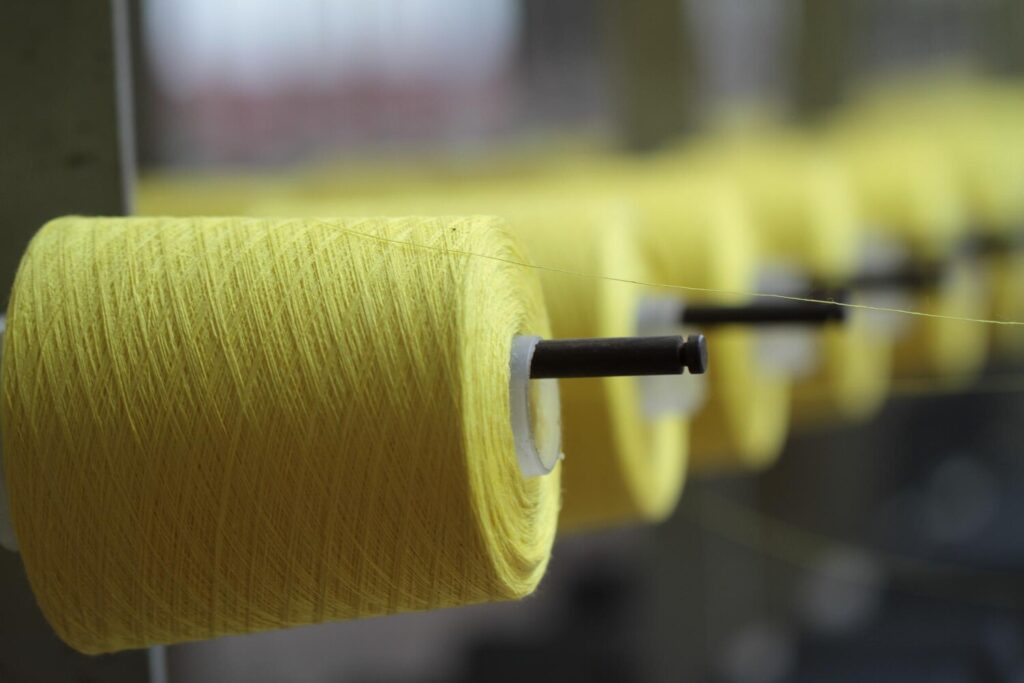
Quality and efficiency in thread manufacturing
Quality assurance is paramount for any thread manufacturer aiming to compete internationally. Modern standards emphasize precise specifications in production processes, which help to minimize defects and wastage. Techniques like Six Sigma are widely adopted to enhance quality control and operational efficiency. According to the American Society for Quality, implementing such methodologies can reduce process variation by up to 50%. Moreover, advanced technologies, including automated machinery and real-time monitoring systems, play a crucial role in achieving consistent product quality.
Thread manufacturers also focus on the integration of efficient supply chain management practices. This involves streamlining logistics, sourcing high-quality raw materials, and optimizing inventory levels. Key factors contributing to these efficiencies include:
- Use of data analytics for demand forecasting
- Implementation of lean manufacturing practices
- Collaboration with suppliers for better resource planning
By adhering to stringent quality measures and embracing technological advancements, thread manufacturers ensure they remain competitive in an ever-evolving market landscape.
Sustainability as a core standard
Sustainability has become integral in modern manufacturing standards. A global thread manufacturer must incorporate eco-friendly practices throughout their operations. This includes using sustainable materials, reducing energy consumption, and minimizing waste production. Many companies have set ambitious goals aligned with international guidelines such as ISO 14001 for environmental management systems.
The push towards sustainability also involves adopting circular economy principles. This means designing products that can be reused or recycled at the end of their life cycle. By doing so, manufacturers not only reduce environmental impact but also cater to the growing consumer preference for sustainable products.
An emphasis on social responsibility further strengthens a manufacturer’s commitment to sustainability. Companies are increasingly transparent about their labor practices, ensuring fair wages and safe working conditions across all facilities worldwide.
By integrating these sustainable practices into their core strategies, thread manufacturers can not only meet current demands but also position themselves as leaders in responsible industry conduct.
In conclusion, modern standards for a global thread manufacturer encompass quality assurance, efficiency improvements, and sustainability initiatives. By aligning with these benchmarks, manufacturers can enhance their market presence while contributing positively to societal expectations and environmental stewardship.
Information contained on this page is provided by an independent third-party content provider. Binary News Network and this Site make no warranties or representations in connection therewith. If you are affiliated with this page and would like it removed please contact [email protected]



Comments